10 Easy Ways to Save Electricity at Home in Pakistan
Electricity prices in Pakistan have surged in recent years, and for most households, the LESCO bill or other DISCO bills take a big share of the monthly budget.
The good news? With small changes in habits and appliances, you can reduce electricity bills by 20 to 40% without compromising on comfort.
Here are 10 easy, practical, and proven ways to save electricity at home in Pakistan.
Why Does Saving Electricity Matter?
- Lower Bills: Every saved unit = direct cost savings.
- Environmental Impact: Reduced carbon emissions.
- Better Resource Management: Pakistan faces frequent energy shortages; so saving electricity helps reduce load shedding.

“According to average household energy usage data, nearly 40% of your electricity bill comes from air conditioning alone—making temperature control the most impactful area to save energy.”
1. Switch to LED Bulbs
- Replace CFL or incandescent bulbs with LED lights.
- LEDs consume 60 to 80% less energy and last longer.
Example:
- If one 100W bulb is replaced with an 18W LED, it saves 82W.
- If used 6 hours/day, it saves 15 units/month, which saves Rs. 450.

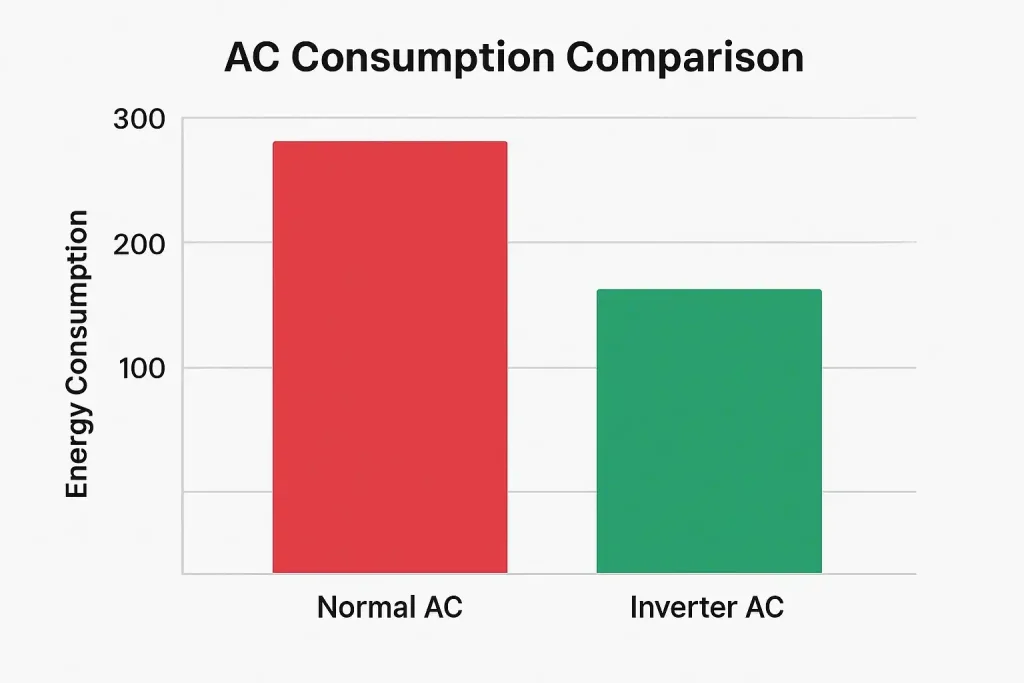
2. Use Inverter ACs and Refrigerators
- Inverter appliances use 30 to 40% less electricity instead of running full power.
- Old fridges/ACs consume 2x more power.
Example:
- A non-inverter 1.5-ton AC consumes 2 units/hour.
- An inverter 1.5-ton AC consumes only 1.2–1.4 units/hour.
3. Unplug Devices When Not in Use
- TVs, chargers, laptops, and microwaves consume standby power (phantom load).
- Unplugging or using a smart power strip can save 5 to 10% of the monthly bill.
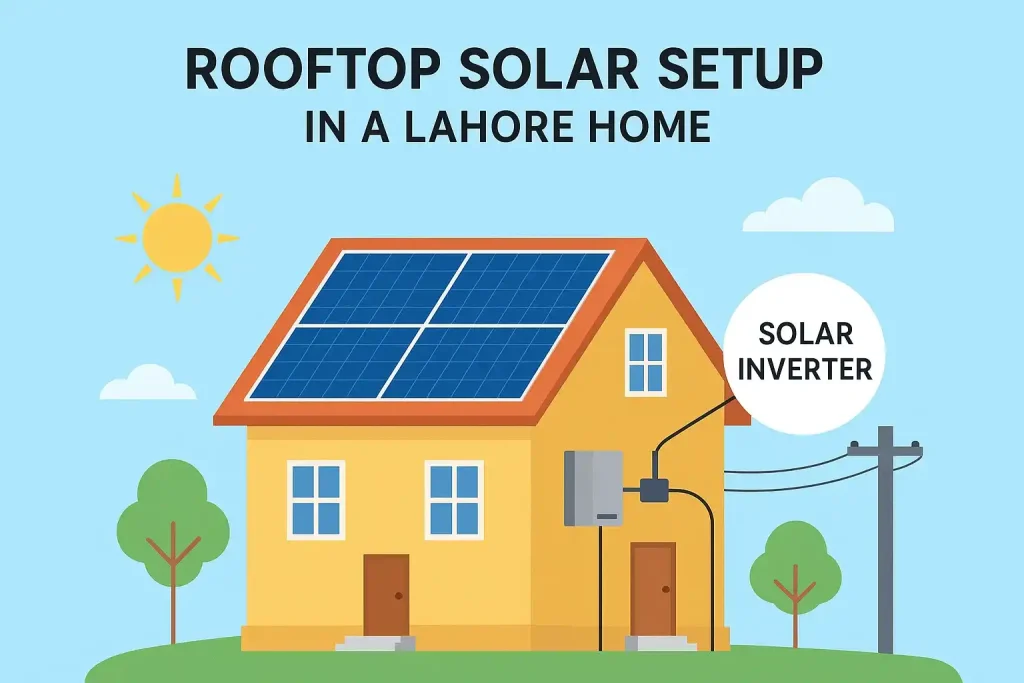
4. Use Solar Energy (If Possible)
- Install solar panels to cut reliance on the grid.
- Even a 1 to 2 KW system can run fans, lights, and small appliances during the day.
- Long-term investment, but payback within 3 to 5 years.
5. Take Advantage of Natural Light
- Keep curtains open during the day.
- Use skylights or mirrors to reflect light indoors.
- Reduce the need for artificial lighting.
6. Optimize Appliance Usage
- Run washing machines with full loads.
- Iron clothes in batches to avoid reheating.
- Use microwaves/air fryers instead of ovens where possible.
Example:
- Iron consumes 1.2–1.5 units/hour.
- Avoiding peak hours & batching saves 5 to 10 units/month.
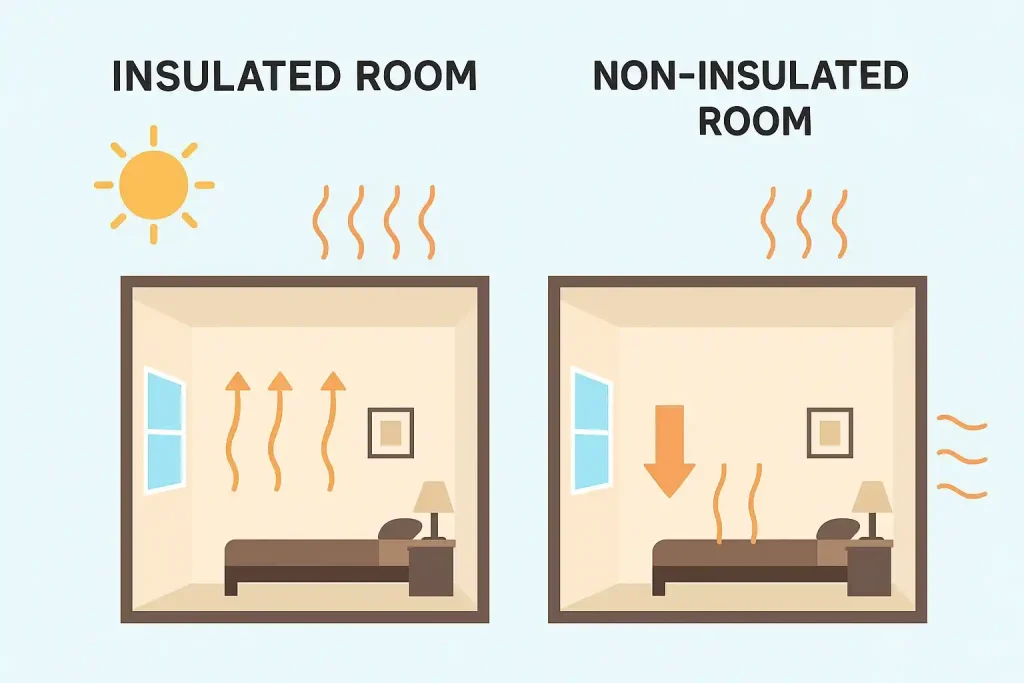
7. Insulate Your Home for Cooling/Heating
- Seal windows and doors to keep AC/heater efficient.
- Use curtains, double-glass windows, or insulation sheets.
- Keeps indoor temperature stable, reducing AC/heater usage.
8. Avoid Using Appliances During Peak Hours
- NEPRA applies peak rates (evening hours) which are higher.
- Shift usage of iron, washing machine, AC, water pump to off-peak hours.
Example:
- Peak hour rate: Rs. 40/unit
- Off-peak rate: Rs. 22/unit
- Running a 1.5-ton AC for 5 hours at night saves @ Rs. 400/day.

9. Wash Clothes in Cold Water
- Heating water in washing machines increases unit consumption by 2–3x.
- Cold water washing is sufficient for most clothes and saves 10 to 15 units/month.
10. Maintain Appliances Regularly
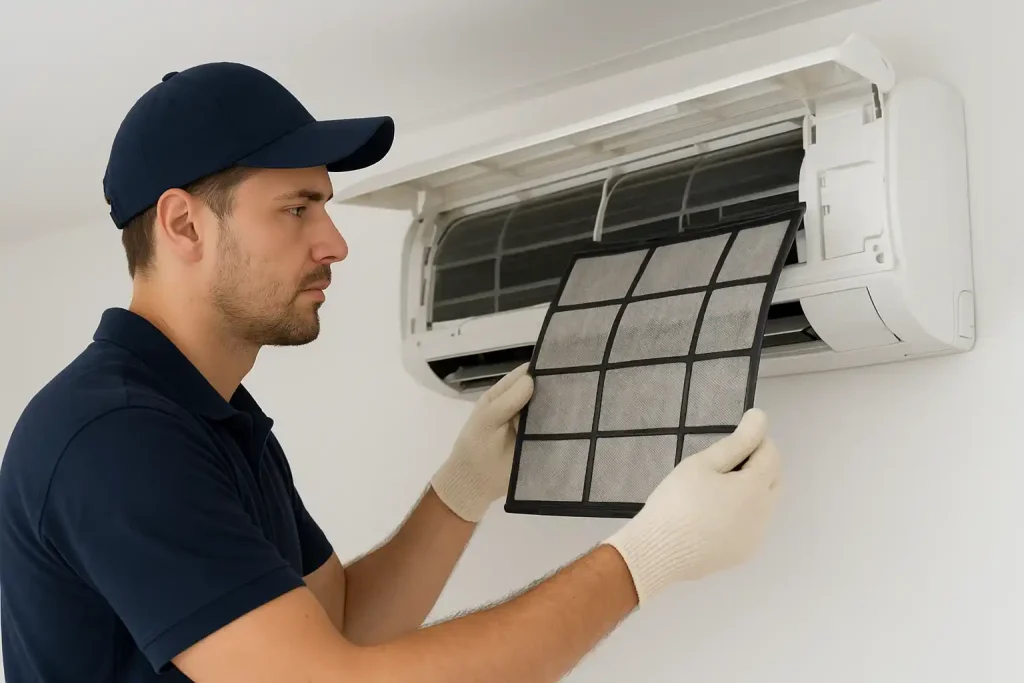
- Dust and clogged filters reduce efficiency of fans, ACs, and fridges.
- Clean filters frequently, check wiring frequently, and service home appliances yearly.
- A well-maintained AC consumes 10 to 15% less electricity.
Estimated Monthly Savings (Example: A Home Based in Lahore)
| Appliance/Action | Units saved per month | Cost savings (Rs.) |
| Switching to LEDs | 15 | 450 |
| Inverter AC | 50 | 1500 |
| Unplugging Devices | 10 | 300 |
| Using Solar (Partial Load) | 100 | 3000 |
| Iron in batching | 10 | 300 |
| Peak hours avoidance | 30 | 900 |
| Regular maintenance | 20 | 600 |
| Total Estimated Savings | 235 | 7050 |
A family can save 20 to 30% of their monthly bill by applying these strategies.
To find out the reasons for high bills, read the blog about it.
Conclusion
Saving electricity is not just about reducing bills. it’s about energy efficiency, comfort, and sustainability.
- Switch to LEDs & inverter appliances
- Avoid peak hours
- Invest in solar energy if possible
- Maintain appliances for long-term efficiency
Start with small changes today, and you’ll notice a big difference in next LESCO bill.
Frequently Asked Questions (FAQs)
Q1. What is the fastest way to save electricity at home?
Switching to LED bulbs and unplugging unused appliances gives instant results.
Q2. How much can an inverter AC reduce my bill?
Up to 30 to 40% lower consumption compared to a normal AC.
Q3. Is solar energy worth it in Pakistan?
Yes. With high tariffs, a solar setup pays back in 3 to 5 years and provides free electricity afterward.
Q4. Do fans consume a lot of electricity?
A ceiling fan consumes 70 to 100 watts/hour (much less than ACs). Using efficient fans helps save more.
Q5. How can I reduce LESCO bills without buying new appliances?
Use appliances in off-peak hours, iron in batches, wash in cold water, and switch off lights when not needed.